Health
Dermatologists Says Hot Winter Showers Can Harm And Age Your Skin Faster
Nothing feels more soothing than a hot shower when winter bites


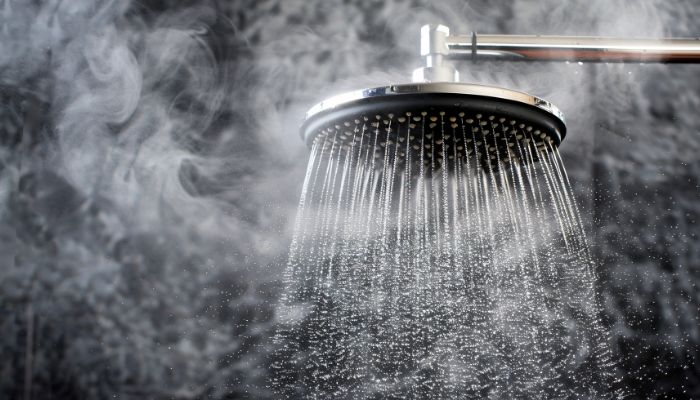
Nothing feels more soothing than a hot shower when winter bites. However, such indulgence can severely affect your skin, leading to permanent damage.
Dr Shweta Manchanda, a Dermatologist with Aakash Healthcare, shares with HT ShopNow, “Your skin acts as your first line of defence.
"Natural oils and lipids significantly maintain skin moisture and shield it from environmental irritants.”
This fragile barrier gets disrupted after long exposure to hot water, washing away essential oils.
“When practised routinely, the skin becomes dry, taut, and more vulnerable to irritation, inflammation, and infections,” she conveys.
Even with regular moisturiser use, people might notice peeling, itchiness, or persistent dryness over time.
Effects Of Hot Showers On Skin
Taking hot showers impacts skin in myriad ways. Dr Manchanda points out some typical adverse effects:
The skin microbiome suffers
A notable repercussion is on the skin microbiome, potentially leading to an immunity imbalance and harmful bacteria overgrowth.
Dr Manchanda elaborates, “Hot water modifies skin surface pH, fostering conditions that might trigger irritation or worsen existing dermatological issues.”
She notes that individuals with eczema, psoriasis, rosacea, or sensitive skin often observe symptom escalation post-hot showers.
Common indications of a stressed skin barrier include redness, burning, and itching after bathing.
Impact on the skin's moisture levels
Another concern with hot showers is how they affect your skin's moisture. “Though water contact might seem refreshing, hot showers heighten transepidermal water loss.
Consequently, the moisture easily evaporates post-shower, leaving skin drier,” Dr Manchanda states.
She further explains that ongoing dehydration accelerates ageing signs like fine lines and rough texture.
“Notably, the face and hands, which have thinner skin and fewer oil glands, are highly prone to heat,” she notes.
Potential for inflammation
Hot water exposure can cause blood vessels at and above the skin to expand. “While this might create the illusion of a healthy glow, prolonged dilation can weaken capillary structures.
"This may result in persistent redness and broken capillaries, especially among rosacea patients or those with light complexions," Dr Manchanda warns.
Heat-induced inflammation may also worsen acne-prone skin, increasing oil output and clogging pores.
Stripping of natural oils
Hot water is also notorious for stripping natural scalp oils, leaving it dry, flaky, and hypersensitive.
"Exposing hair strands to high heat depletes them of moisture and proteins, resulting in hair becoming frizzy, dull, and fragile," Dr Manchanda mentions.
Moreover, colored or chemically treated hair is exceptionally vulnerable as heat causes the shade to fade and damages its structure.
How To Minimise Damage
To safeguard skin and hair from hot water deterioration, switch to lukewarm showers.
Dr Manchanda suggests, “Lukewarm water is substantially kinder to the skin barrier and facilitates gentle cleansing.”
She adds that reducing shower duration further minimises any risks.
Bypassing harsh soaps, using a soft towel to pat skin dry instead of rubbing, and applying moisturiser or light oil shortly after a shower can help lock moisture in and aid barrier repair.
“Favouring lightly scented or unscented cleansers and emollients can significantly boost the skin's resilience over time,” she recommends.
Note to readers: This article aims to inform and does not replace medical consultation. For health issues, always seek professional medical advice.


