Health
Are Nut Skins Toxic? AIIMS Neurologist Debunks Myth And Explores Soaking Benefits
Soaking almonds and walnuts before eating is popular, but not due to toxic skins


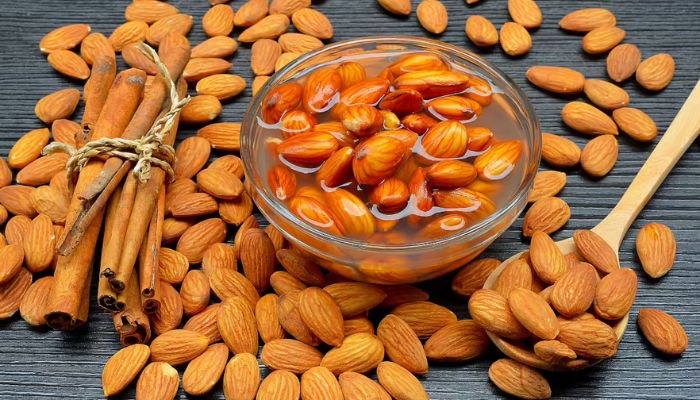
The habit of soaking almonds and walnuts overnight and peeling their skins is widely practised, with many convinced that the thin brown exterior poses a health risk if consumed raw. But is this notion fact or just another long-standing nutritional misconception?
Dr Priyanka Sehrawat, a neurologist and general physician with training from AIIMS, New Delhi, and currently based at The Neuromed Clinic in Gurugram, seeks to clarify a popular query concerning nuts - whether almond and walnut skins harbour toxins requiring removal before eating.
In a video shared on Instagram on Wednesday, she details whether pre-soaking these nuts is beneficial and what advantages it might provide.
Are Nut Skins Dangerous?
Dr Sehrawat addresses a common dietary fallacy, clarifying that the thin brown coating on almonds and walnuts is not toxic and does not need soaking or peeling.
This thin layer is harmless, and eating nuts, either soaked or unsoaked, produces no significant dietary difference except for one element: phytic acid.
The neurologist points out that nut skins contain phytic acid, which can impede nutrient uptake.
She elaborates, “The issue with almond and walnut skins is their phytic acid content. This acid inhibits the absorption of vital nutrients like minerals, zinc, magnesium, and omega-3, blocking their entry into your bloodstream. They act to restrict nutrient absorption from the consumed nuts and seeds.”
Is Soaking Needed?
Dr Sehrawat stresses that although almond and walnut skins have phytic acid, which may reduce nutrient absorption, there is nothing poisonous about them.
If you aren’t fond of the flavour of soaked nuts, you’re perfectly safe eating them as they are.
She highlights, “There is no harm, just phytic acid, which mildly decreases nutrient uptake but poses no real threat.
"If soaking isn't your preference—many reach out to express their dislike for soaked nuts—go ahead and enjoy them raw. You're fine.”
However, she assures that soaking these nuts can boost nutrient assimilation. “Eating them after soaking is ideal for maximising absorption.
"But if you dislike them this way, consuming them with their skin intact is safe. It poses no risk,” she affirms.
Reader's note: This piece is intended for informational purposes and should not replace professional medical advice.


