Health
5 Protein-Packed Soups To Keep You Warm And Energise This Winter
One key element in maintaining muscle integrity and enhancing immune response is protein


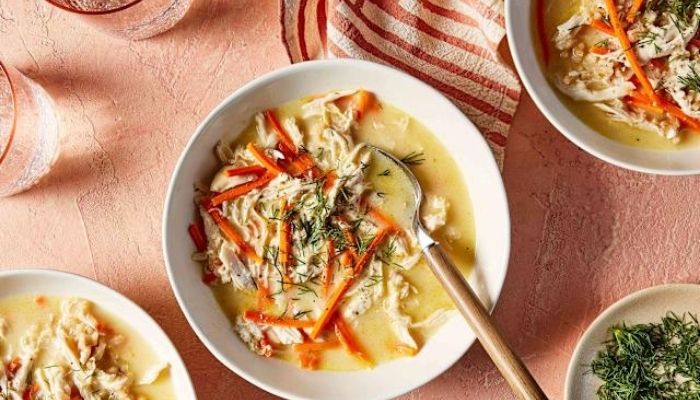
Chilly weather often stirs a craving for warm, flavorful meals, and soups are among the most heartwarming options.
They not only address the body's protein requirements but also deliver a soothing heat that helps ease muscle tension.
With winter's colder climate and shorter daylight, energy levels and daily activities often wane.
As movement routines change, the body's need for nourishing, functional foods increases.
This is where high-protein soups take centre stage, offering heat, energy, and nutrients in one comforting bowl.
D Subhasish Mazumder, Senior Director of Gastroenterology at Max Super Speciality Hospital, shares with Health Shots, “High-protein soups provide warmth, hydration, and steady nutrition all in one bowl.
"When made carefully, they help strengthen the immune system, keep muscles strong, and support the body during the colder months, making them a must-have for winter, not just a comfort food.”
According to the gastroenterologist, a lack of adequate protein intake during winter might result in issues such as fatigue, a weakened ability to combat infections, prolonged recovery times, and decreased strength.
One key element in maintaining muscle integrity and enhancing the immune response is protein.
How to enhance your soup with more protein?
To increase the protein content and nutrients in the soup, the gastroenterologist recommends making some small changes.
To add protein without drastically increasing calories, he suggests including cooked legumes, tofu, paneer, or lean meats.
Switching from normal stock to bone broth can enhance the protein and mineral content.
Adding soaked lentils or a spoonful of nut paste can provide additional texture and nutrients.
Note: Doctors suggest combining protein with vegetables and healthy fats to enhance nutrient absorption and prolong satiety.
High-protein soups
Here are a few gastroenterologist-recommended soups:
1. Chicken & Lentil Soup
A nutritious blend of lean chicken breast and lentils prepared with comforting spices and veggies.
Best for:
- Individuals seeking to build or maintain muscle mass
- Those recovering from illness
- Anyone wishing for a satisfying winter meal
Avoid if:
- You adhere to a vegan or vegetarian diet
- You find it difficult to digest lentils (unless thoroughly cooked and strained)
2. Mung Bean Soup
This is crafted with yellow mung bean cumin, garlic, and gentle spices, offering a light yet protein-rich dish.
Best for:
- Vegans and vegetarians
- People with delicate digestion
- Those seeking a soothing, light winter meal
Avoid if:
- You have legume allergies
- You suffer from severe bloating and cannot tolerate dals well
3. Paneer And Vegetable Soup
Soft paneer cubes in a clear or lightly blended broth with seasonal vegetables.
Best for:
- Vegetarians needing a protein boost
- Those aiming to support bone and muscle health
- People prefer creamy textures without heavy cream
Avoid if:
- You experience lactose intolerance
- You suffer from dairy allergies
- You're advised to limit saturated fat
4. Chickpea & Mushroom Soup
A vegan soup fusing chickpeas and mushrooms with herbs and seasonings.
Best for:
- Vegetarians and vegans
- Individuals focused on weight control
- Those craving lasting energy and satiety
Avoid if:
- Chickpeas cause you digestive discomfort
5. Egg Drop Soup
A light broth where whisked eggs form soft, protein-rich ribbons.
Best for:
- Those needing swift, easy protein intake
- Post-exercise recovery
- Those desiring a nourishing yet light soup
Avoid if:
- Egg allergies are a concern
- You're advised to limit cholesterol in your diet.
Who should consider high-protein soups?
According to Dr Mazumder, high-protein soups suit older adults, individuals recovering from health issues, those with compromised immune functions, and people aiming to manage or reduce weight healthily.
They're also beneficial for individuals with low appetites since soups are easy to consume yet nutritious.
Top high-protein soups to enhance your diet
The gastroenterologist suggests that lentil soups like masoor or dal are excellent for plant-based protein and fibre.
When illness strikes, chicken soup with shredded meat is a valuable source of digestible protein. For vegetarians, bean and veggie soups made with kidney beans or chickpeas are ideal.
Those who consume dairy can boost protein content by choosing soups made from Greek yoghurt or those containing paneer ticks, delivering protein without compromising warmth or lightness.
(Note for readers: This article is purely for informational purposes and is not a substitute for professional medical advice. Always consult your doctor with health-related questions or concerns.)


